
Meeting at its Paris headquarters from 6–16 July 2025, UNESCO’s 47th World Heritage Committee session inscribed 26 new properties, bringing the global total to 1,248 sites across 170 countries (UNESCO). Nearly a third of this year’s inscriptions were tied to prehistory, a reminder of how much of humanity’s deep past still shapes the present.
For the HI-EURECA-PRO community, the Polish thread is worth following carefully. Poland’s candidate, “Gdynia. Early Modernist City Centre”, a Baltic port built almost from scratch between the World Wars as a showcase of modernist optimism, was examined at the session (UNESCO World Heritage Committee 2025; tentative-list dossier). Following the ICOMOS evaluation, the nomination was referred back for clarifications rather than inscribed, with a decision now expected in 2026 (City of Gdynia / Modernizm Gdyni). It is a useful reminder that the road to the List is iterative and demanding.
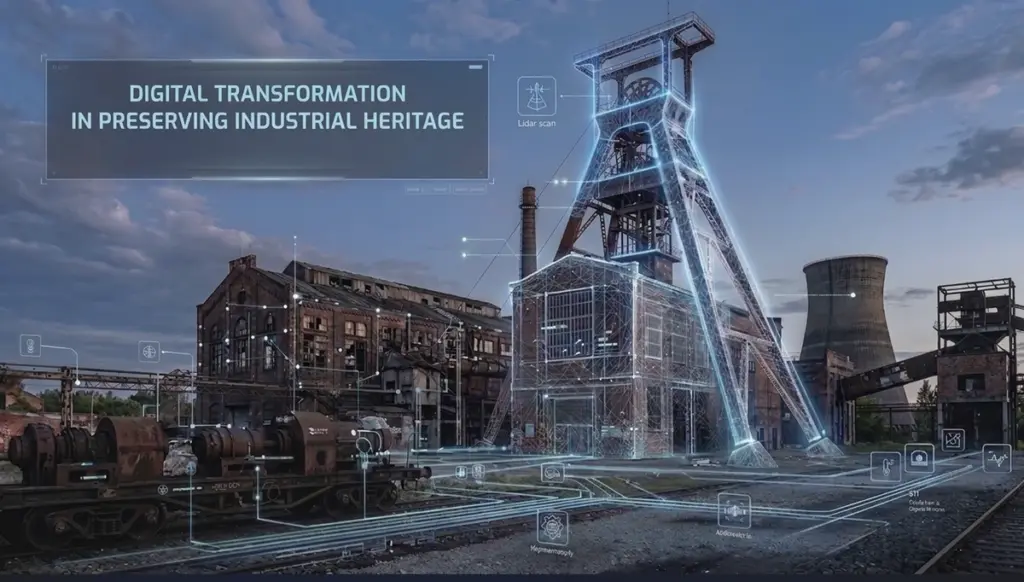
Equally relevant: Poland’s Tentative List — the antechamber to future nominations — now includes strongly industrial and mining-flavoured entries, among them the Historical coal-mining complex in Zabrze and the Bóbrka oil field (UNESCO – Poland, States Parties). That signals a broadening of what “heritage” means: not only cathedrals and antiquities, but the architecture of modern work, transport and extraction. This is exactly the heritage HI-EURECA-PRO’s regions hold in abundance, and exactly where digital documentation and monitoring can help build a credible case. And the region does not have to imagine what such success looks like, it already has it, deep underground.
A short drive north of the project’s Polish base in Gliwice lies the proof: the Tarnowskie Góry Lead-Silver-Zinc Mine and its Underground Water Management System, inscribed on the World Heritage List in 2017 (UNESCO, ref. 1539). It is the largest and most significant complex of historic underground metal mines in Poland. A labyrinth that, with its associated drainage network, runs to more than 150 kilometres of adits, tunnels, shafts and galleries beneath the Silesian plateau. Its true marvel is hydraulic: a gravity-fed water-management system, developed over three centuries, so soundly engineered that it still supplies drinking water to the town today, an idea conceived more than two hundred years ago that would count as sustainable if invented now. Visitors can descend into the Historic Silver Mine and glide by boat along the flooded Black Trout Adit, a vivid demonstration that “heritage” can mean lead, water and engineering ingenuity as readily as marble and gold (Historic Silver Mine – kopalniasrebra.pl).
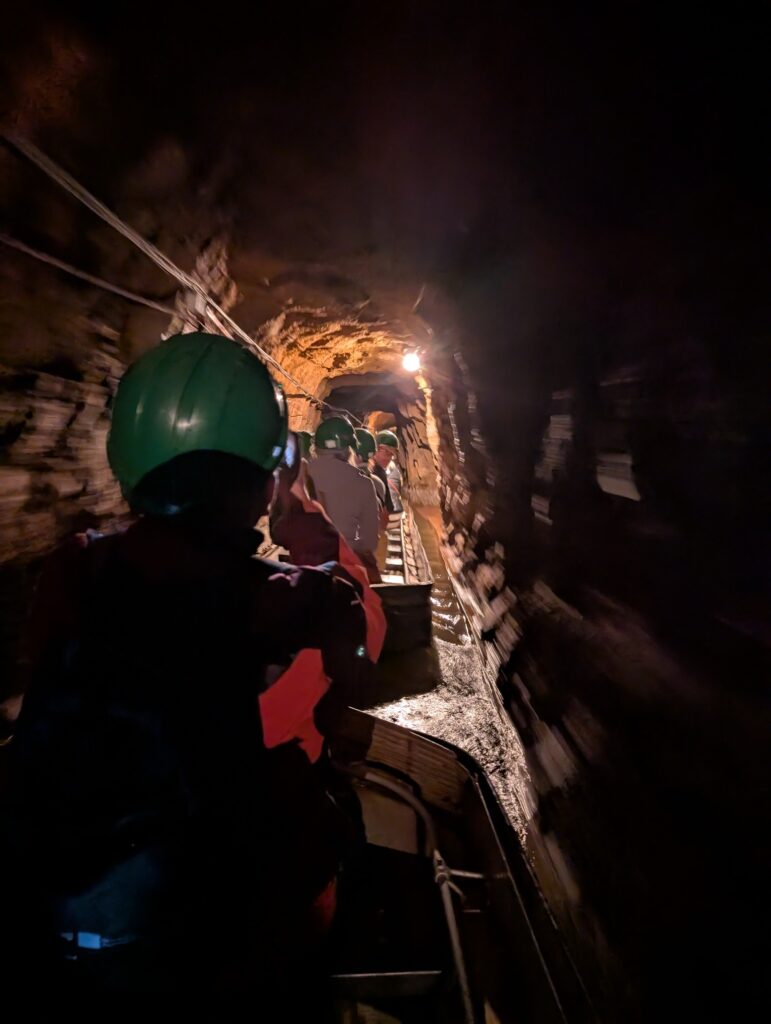
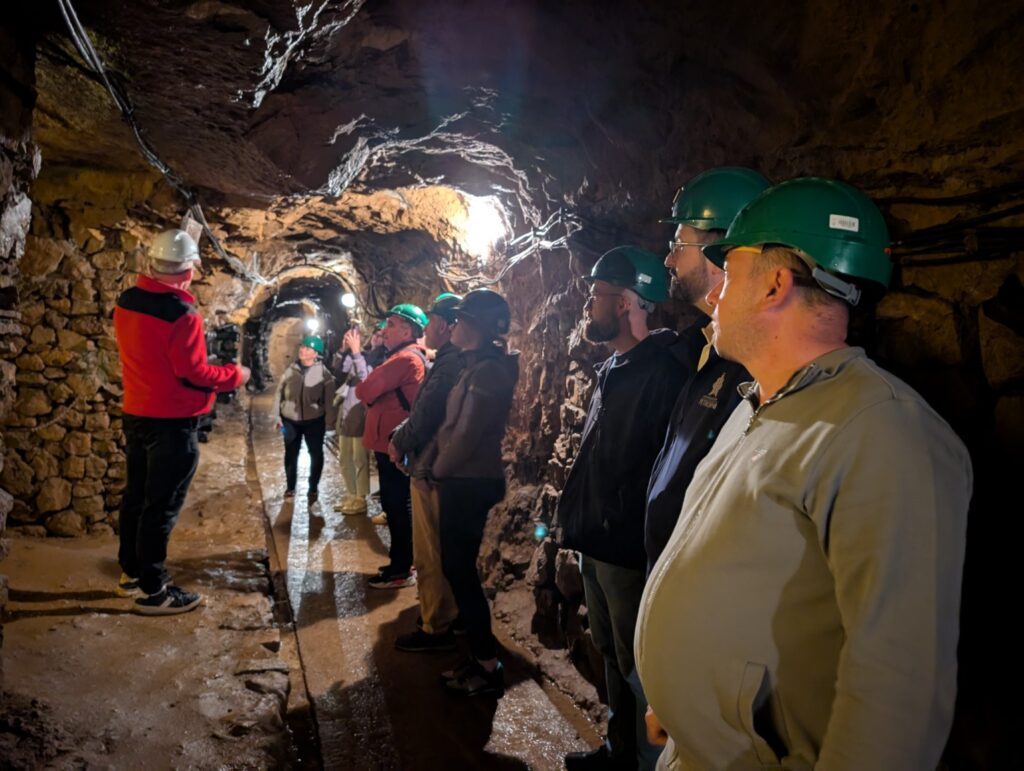
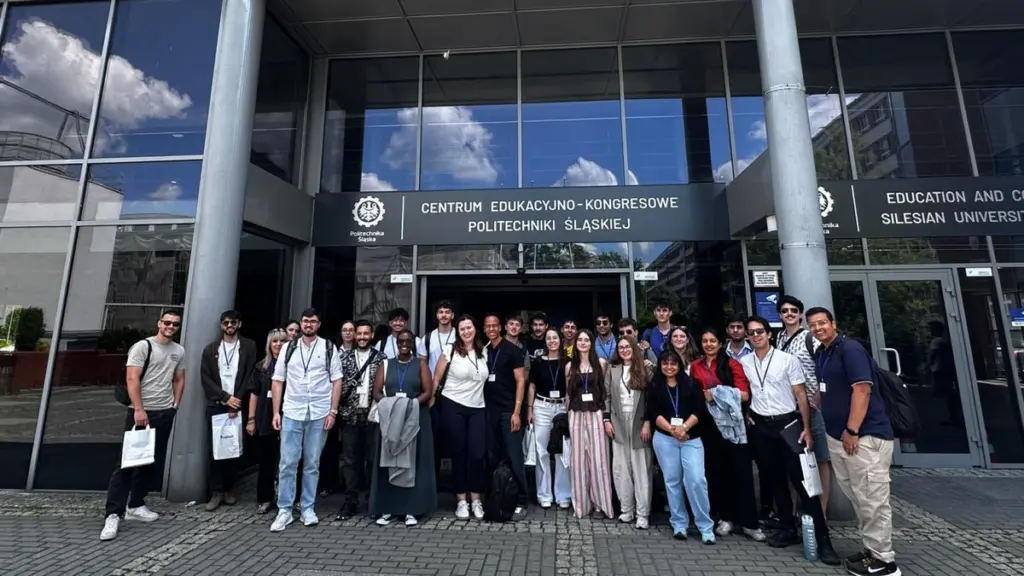
The link is not abstract for HI-EURECA-PRO: during the project’s 3rd consortium meeting, hosted in Gliwice in June 2025, representatives from all of the partner universities made a study visit to Tarnowskie Góry to experience the region’s industrial and mining heritage at first hand. It was precisely the kind of living classroom the alliance exists to study, document and reanimate.