
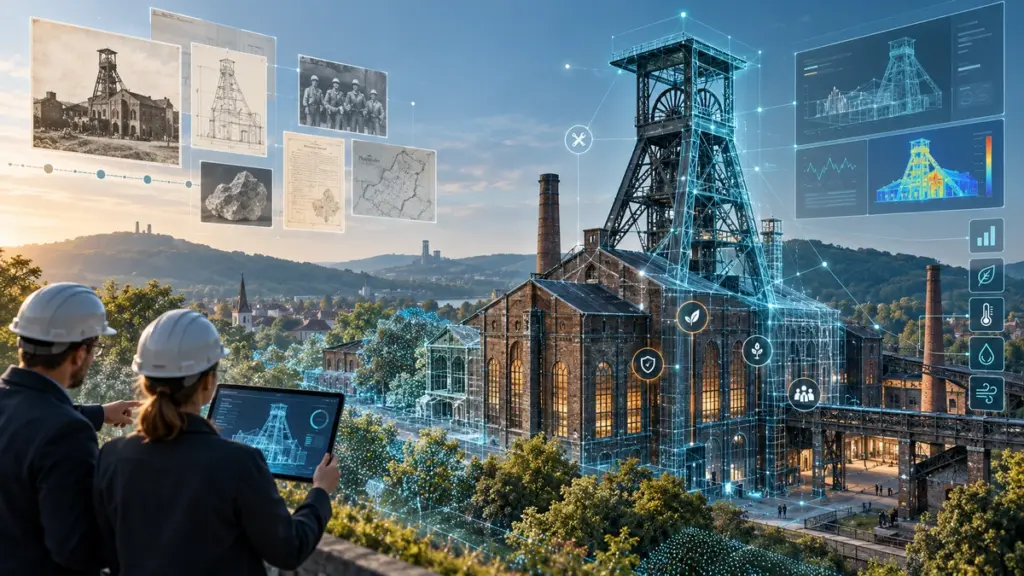
The Concept of Digital Twins for Heritage Sites
A heritage digital twin is a dynamic, data-rich representation of a physical site, building, structure or landscape. Unlike a static three-dimensional model, it can integrate geometric documentation with...
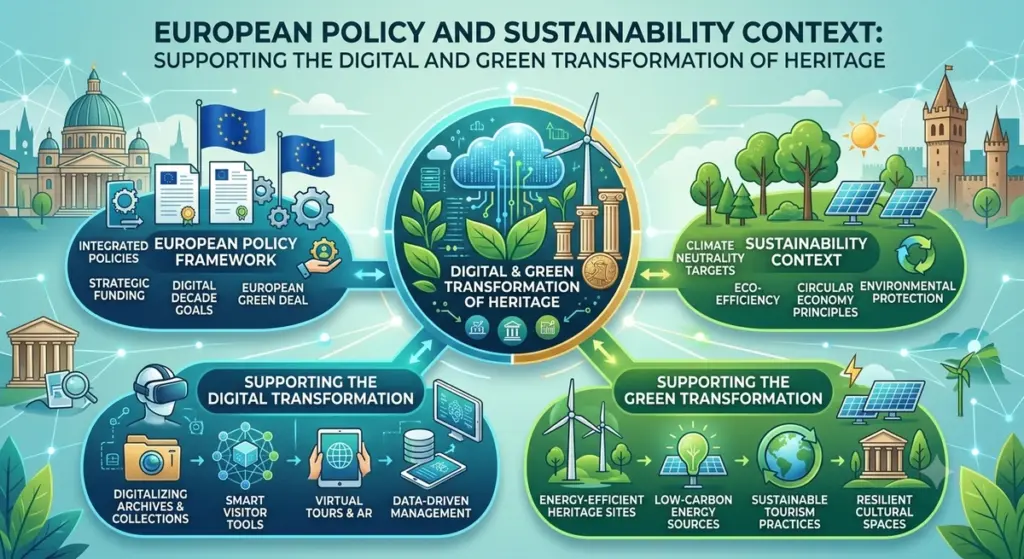
European Policy and Sustainability Context: Supporting the Digital and Green Transformation of Heritage
European policies increasingly connect digital transformation with environmental sustainability, social inclusion and economic resilience. The European Green Deal, the Digital Decade Policy Programme 2030 and the New European...

Mining Heritage on the Road to UNESCO: Zabrze’s Underground Gets an EU-Funded Future
On 5 June 2026, the Coal Mining Museum in Zabrze (Muzeum Górnictwa Węglowego) signed a funding agreement for a new project: Industrial Heritage of Upper Silesia – Revitalization...
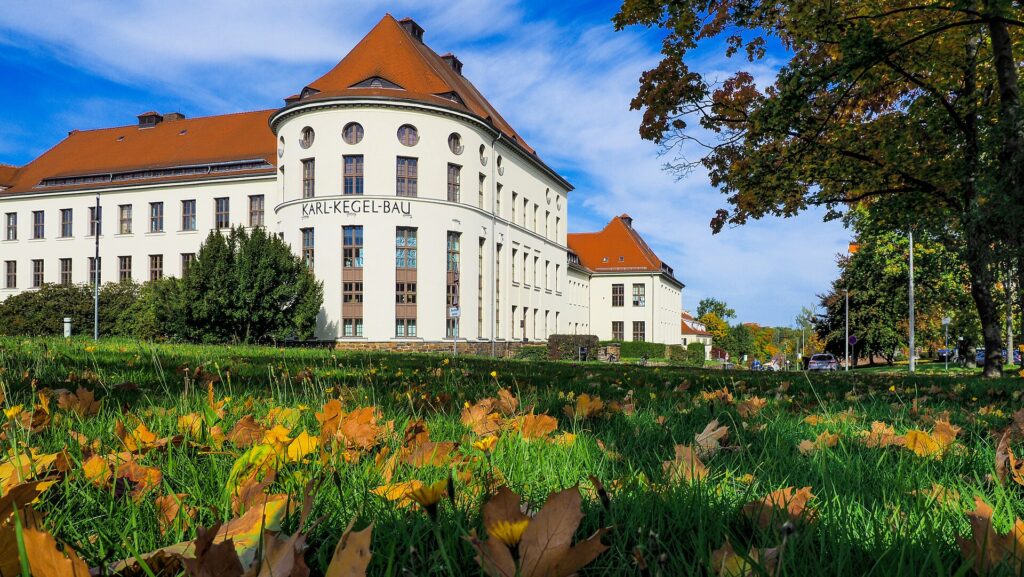
The World’s Oldest Mining University Is Also One of Germany’s Most Digital
Founded in 1765, TU Bergakademie Freiberg is widely regarded as the oldest university of mining sciences in the world, a distinction the university itself claims and one repeated...
The 47th World Heritage Session — and What It Means for Poland’s Heritage
Meeting at its Paris headquarters from 6–16 July 2025, UNESCO’s 47th World Heritage Committee session inscribed 26 new properties, bringing the global total to 1,248 sites across 170...
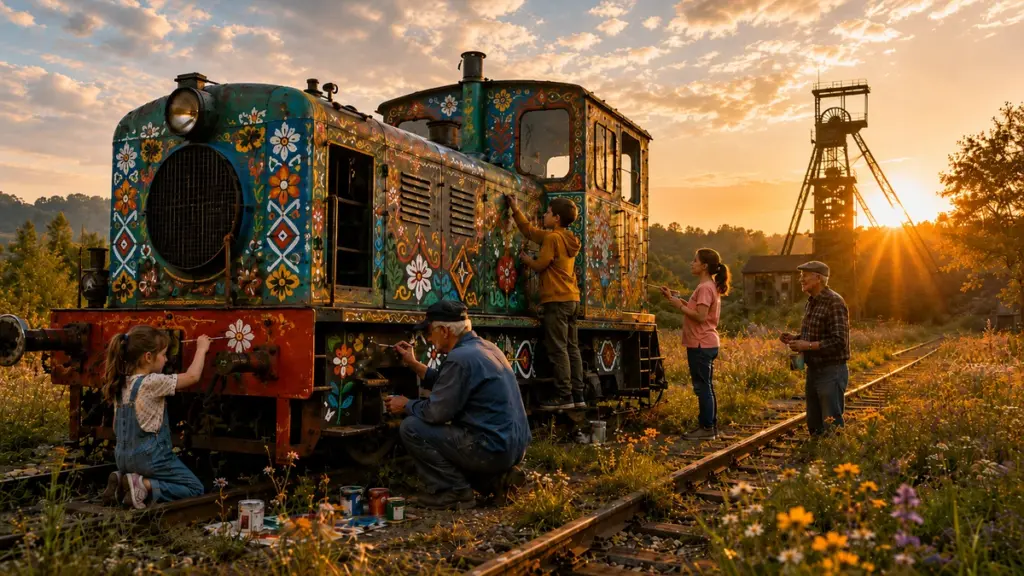
From Coal to Culture: Three Regions Reimagine the Mine
In late June 2025, artists and activists from three of Europe’s coal regions gathered in Eastern Wielkopolska, Poland, for a Just Transition Culture week. Alongside the Polish hosts...