
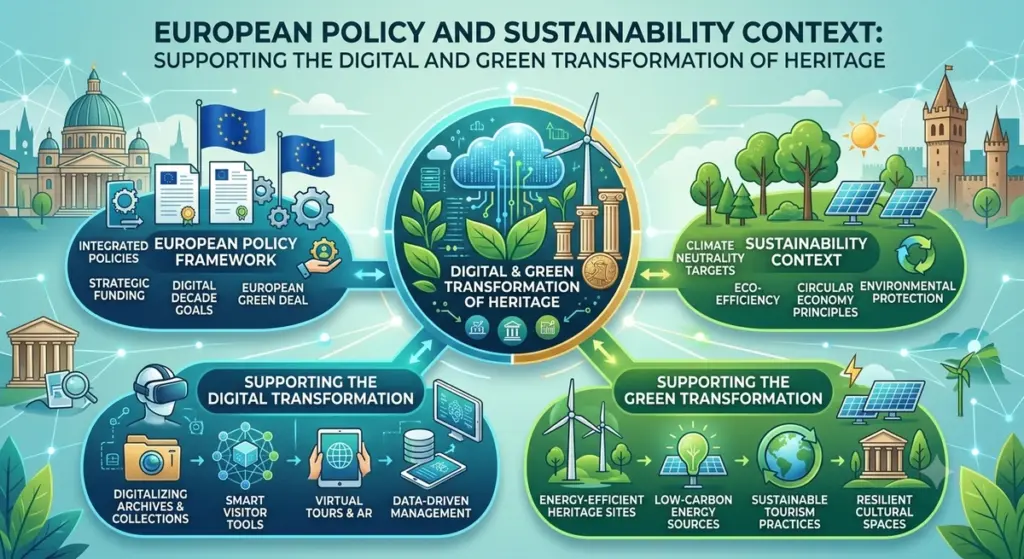
European Policy and Sustainability Context: Supporting the Digital and Green Transformation of Heritage
European policies increasingly connect digital transformation with environmental sustainability, social inclusion and economic resilience. The European Green Deal, the Digital Decade Policy Programme 2030 and the New European...
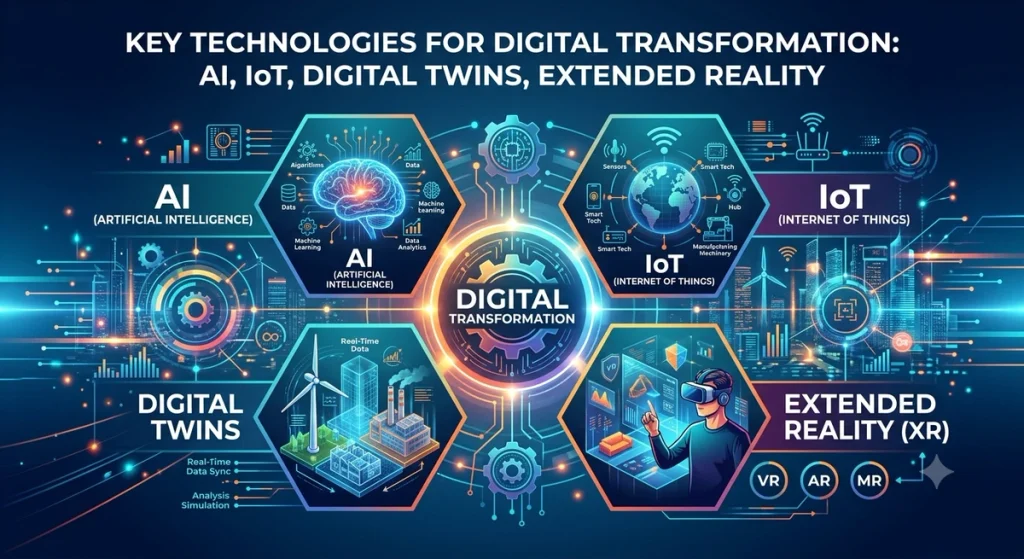
Key Technologies for Digital Transformation: AI, IoT, Digital Twins and Extended Reality
Artificial intelligence (AI), the Internet of Things (IoT), digital twins and extended reality (XR) are increasingly important components of digital transformation. Although each technology has distinct functions, their...
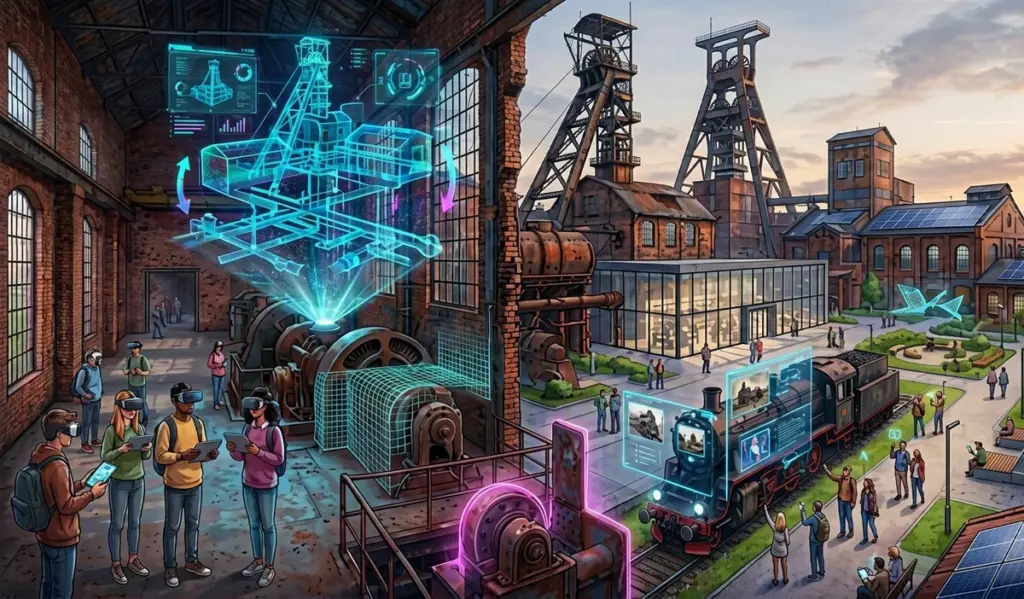
Benefits of digital transformation in preserving industrial heritage for education, tourism, and regional development
Digital transformation is increasingly recognised as a key enabler in the preservation and revitalisation of industrial heritage. By leveraging advanced technologies such as digital twins, 3D scanning, virtual...
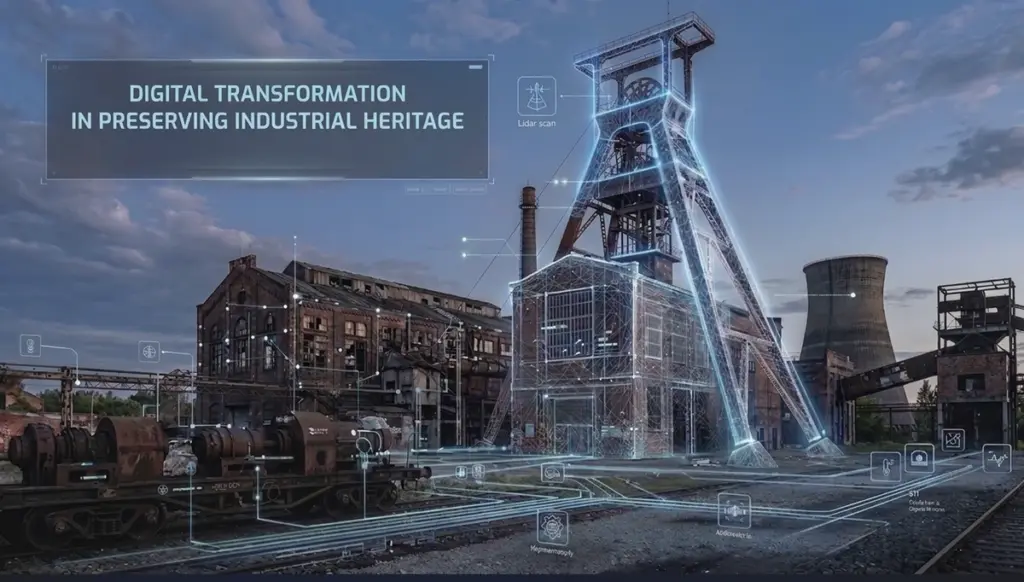
Role of digital transformation in preserving industrial heritage
Industrial heritage sites are important carriers of technical knowledge, social memory, and regional identity, yet many of them face deterioration, underuse, or limited public visibility. Within the broader...
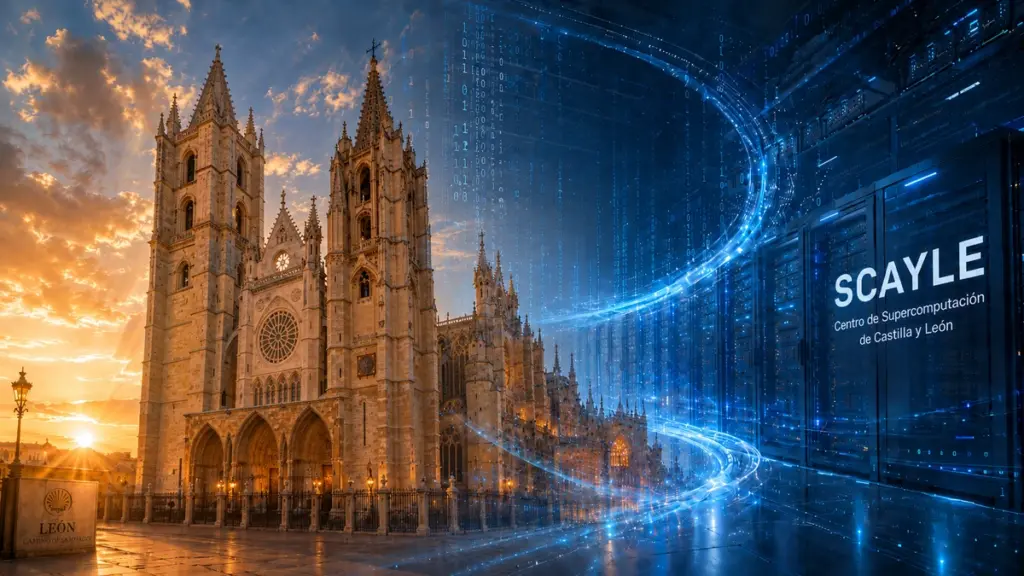
Supercomputing on the Camino: How León Punches Above Its Weight in Digital Research
León is better known for its luminous Gothic cathedral and as a waypoint on the Camino de Santiago than for teraflops. Yet this mid-sized Spanish city holds a...
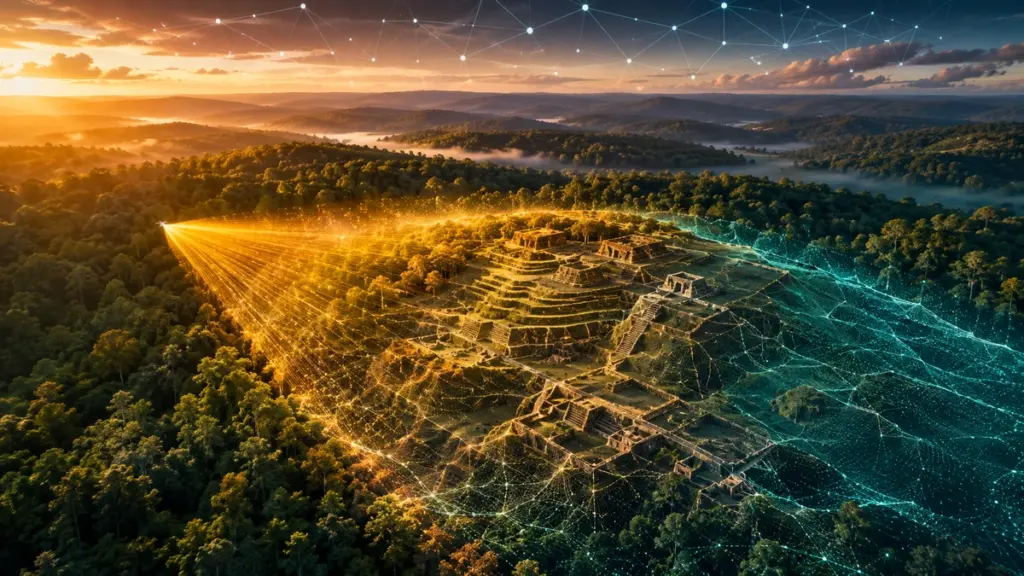
Lasers, Algorithms and Lost Worlds: How AI Is Rewriting the Map of the Past
Some of the most striking discoveries of recent years were not dug out of the ground, they were computed out of it. Pairing LiDAR, which maps terrain hidden...
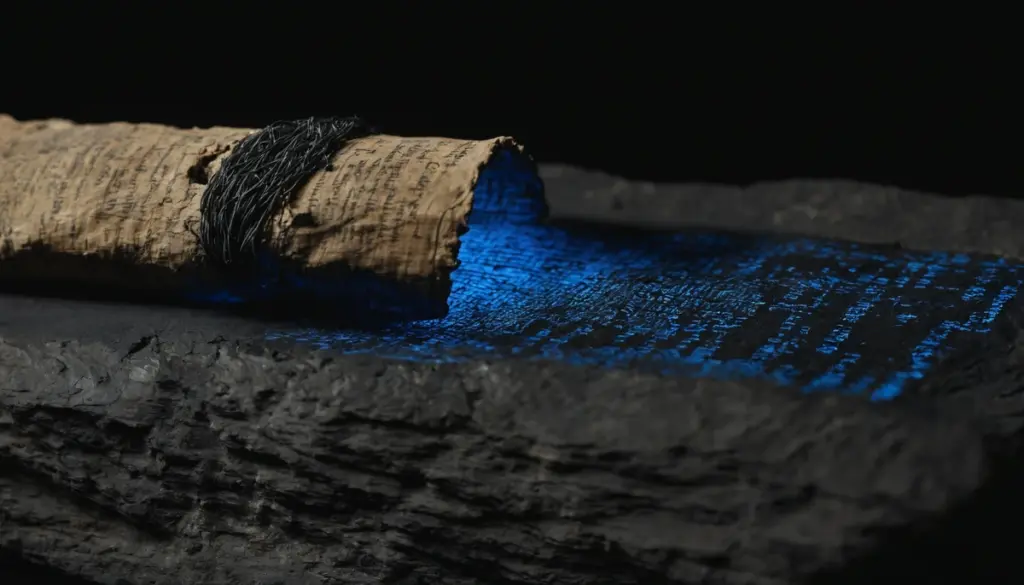
The Library That Fire Could Not Erase: AI Reads the Herculaneum Scrolls
When Mount Vesuvius buried Herculaneum in 79 AD, it carbonised an entire private library into what looked, for nearly three centuries, like lumps of charcoal. Unrollable, unreadable, untouchable...