
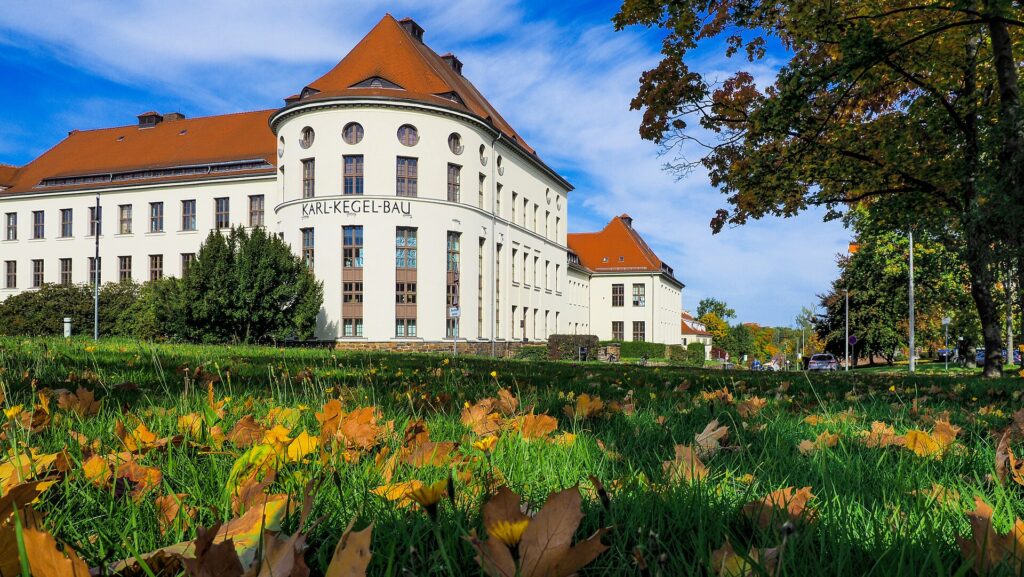
The World’s Oldest Mining University Is Also One of Germany’s Most Digital
Founded in 1765, TU Bergakademie Freiberg is widely regarded as the oldest university of mining sciences in the world, a distinction the university itself claims and one repeated...

From Spreadsheets to a Living Research Portal: Silesian University of Technology Launches Pure
For researchers, “digital transformation” can sound abstract until the day your entire scholarly output becomes findable, connected and visible in a single place. In early June 2026 the...
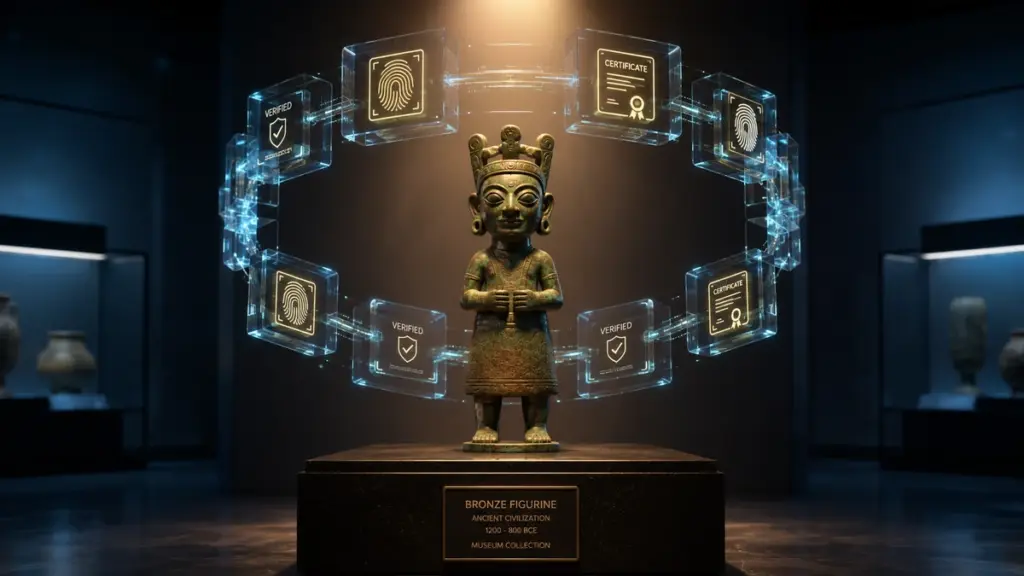
Can You Trust a Digital Artefact? Blockchain, Provenance and the Authenticity Problem
Here is a paradox at the heart of digital heritage. The more easily we copy, stream and remix cultural objects, the harder it becomes to answer a simple...
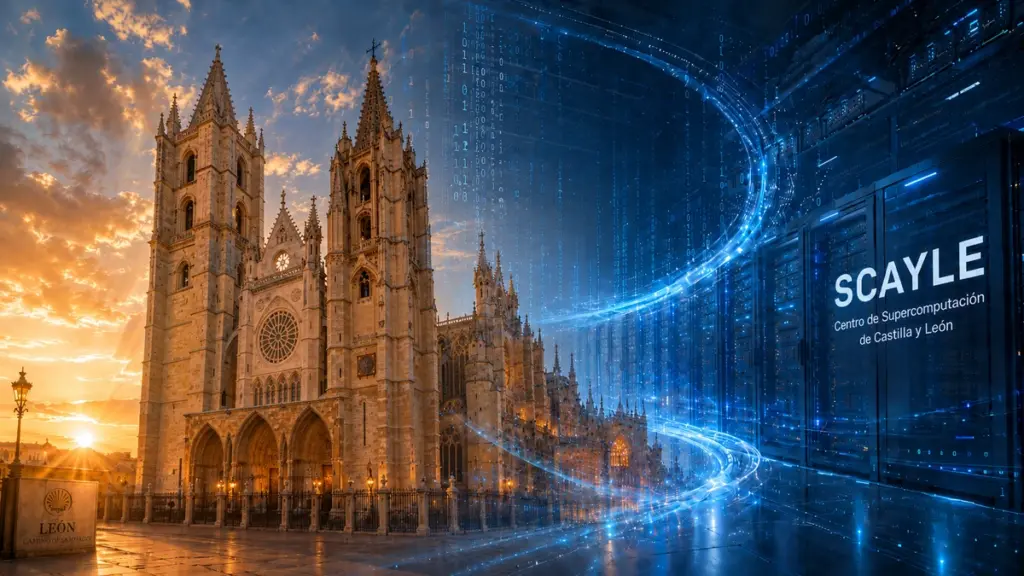
Supercomputing on the Camino: How León Punches Above Its Weight in Digital Research
León is better known for its luminous Gothic cathedral and as a waypoint on the Camino de Santiago than for teraflops. Yet this mid-sized Spanish city holds a...
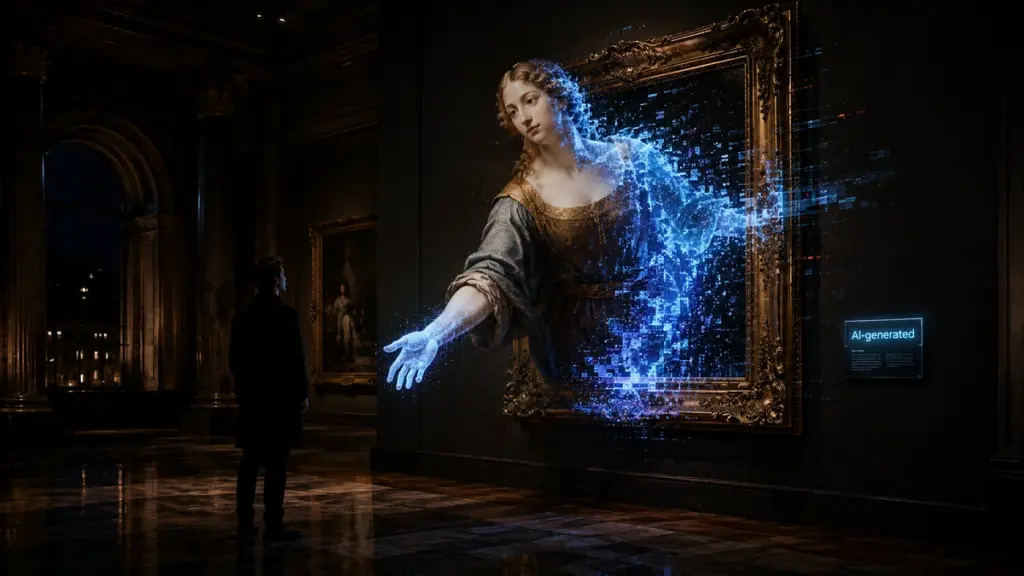
When the Past Speaks With a Synthetic Voice: The Ethics of Generative AI in Heritage
Walk into a growing number of museums and you may now be able to “talk” to a historical figure, a chatbot trained to play a Renaissance patron or...
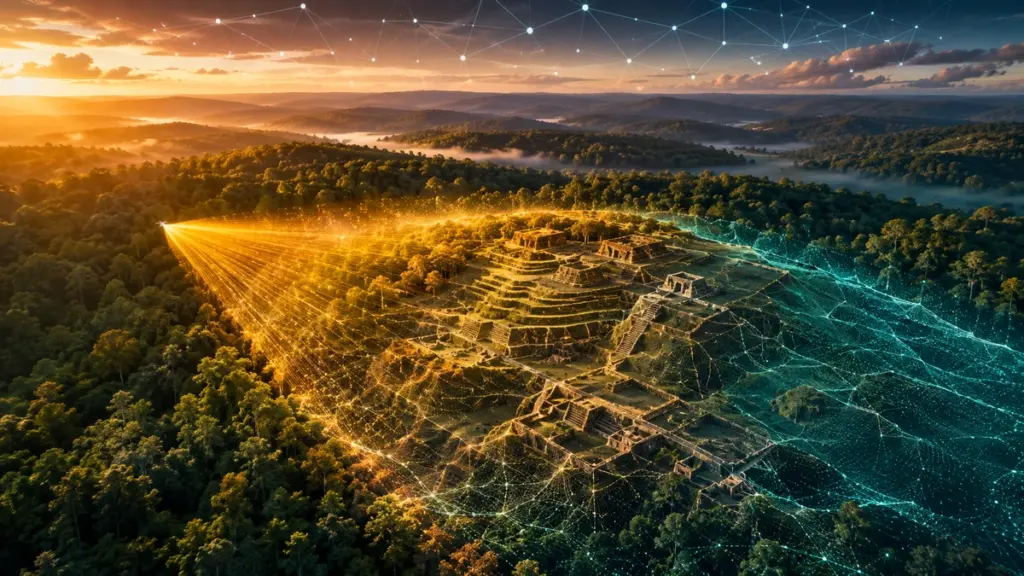
Lasers, Algorithms and Lost Worlds: How AI Is Rewriting the Map of the Past
Some of the most striking discoveries of recent years were not dug out of the ground, they were computed out of it. Pairing LiDAR, which maps terrain hidden...
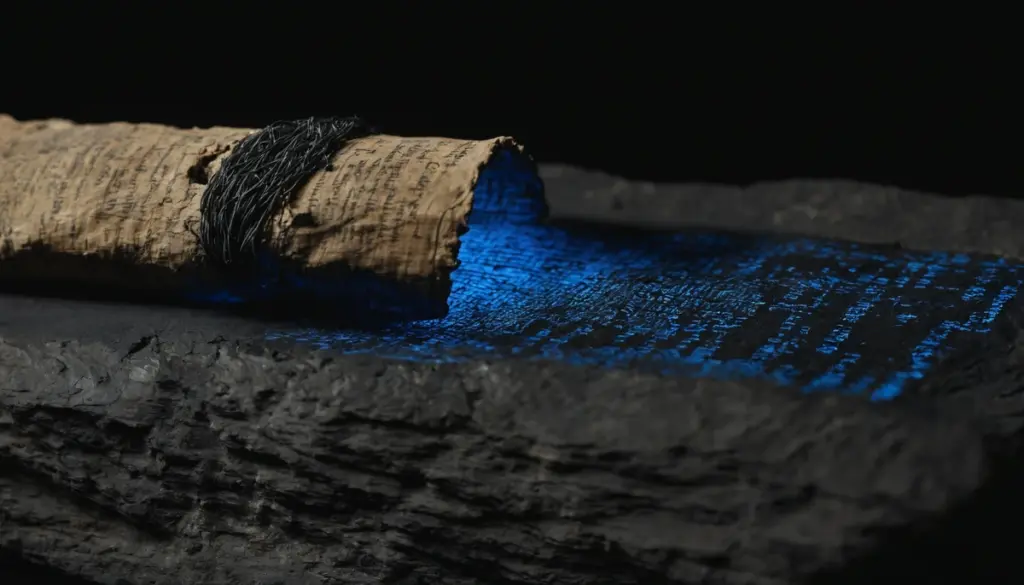
The Library That Fire Could Not Erase: AI Reads the Herculaneum Scrolls
When Mount Vesuvius buried Herculaneum in 79 AD, it carbonised an entire private library into what looked, for nearly three centuries, like lumps of charcoal. Unrollable, unreadable, untouchable...
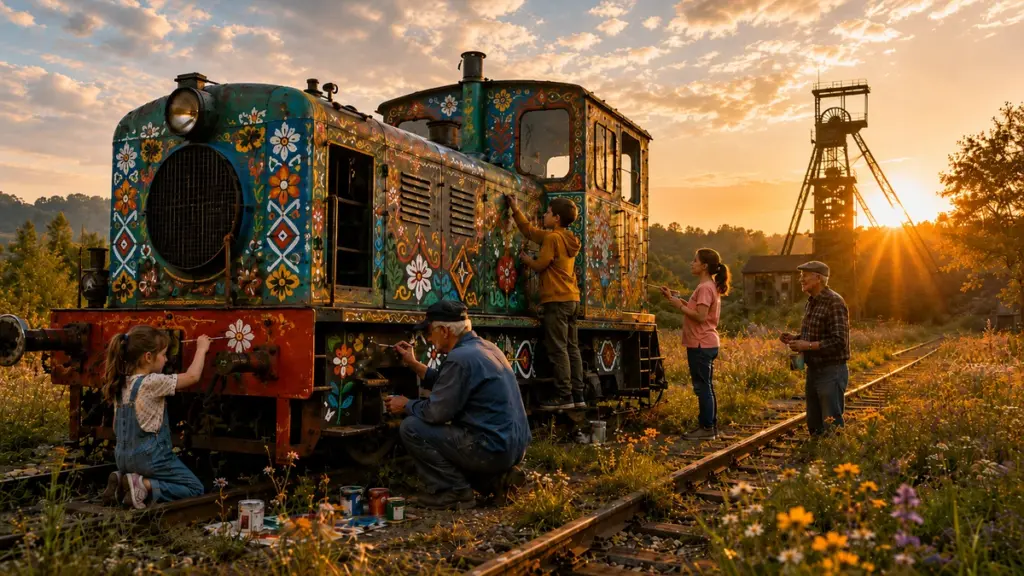
From Coal to Culture: Three Regions Reimagine the Mine
In late June 2025, artists and activists from three of Europe’s coal regions gathered in Eastern Wielkopolska, Poland, for a Just Transition Culture week. Alongside the Polish hosts...