
When we reported from Warsaw last June (Preserve, Protect, Reuse: Inside Europeana 2025), the forthcoming Strategy 2025–2030 was the quiet “red thread” running through every session. It has now arrived, and the data space has a new home online to match.
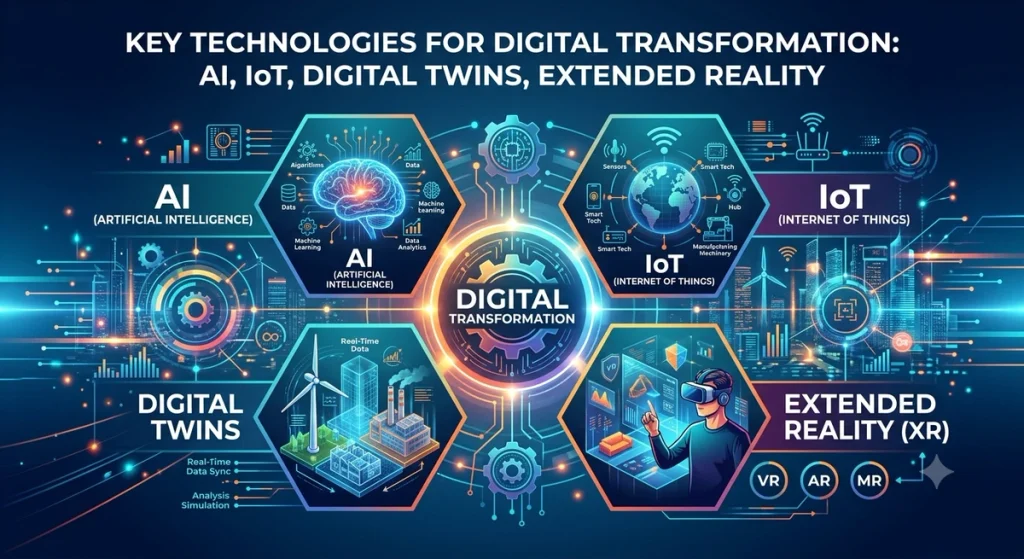
In early 2026 the European Commission and the Europeana Foundation published the Common European Data Space for Cultural Heritage – Strategy 2025–2030 through the EU Publications Office, the product of extensive consultation across 2024 and 2025 with the Member States’ expert group (CEDCHE) and the wider Europeana ecosystem (European Commission; strategy overview). It is more than a mission statement. The strategy sets out three thematic priorities — robust, interoperable infrastructure with richer, higher-quality collections; easier access and reuse across sectors such as education, tourism and the creative industries; and digital transformation of the sector through capacity-building, networking and innovation — underpinned by three cross-cutting themes that map the decade ahead: artificial intelligence, 3D and extended reality, and multilingualism. It places cultural heritage firmly within Europe’s broader data and AI agenda and carries forward the 2021 commitment that Member States digitise, by 2030, every monument at risk of degradation and half of their most-visited sites.
The strategy arrived alongside a practical companion: a new multilingual portal for the data space, launched in February 2026, that gathers the data offer, tools and services under one roof (data space portal; launch announcement). There are entries from the Europeana Academy and training platform to a Statistics Dashboard and the Europeana.eu access point. It sits beside, and complements, the emerging European Collaborative Cloud for Cultural Heritage (the Horizon Europe–funded “Cultural Heritage Cloud”). With concrete steps to advance the priorities promised across 2026 and the Twin it! campaign moving into a second phase focused on reusing 3D models rather than only creating them, the message is unambiguous: digitisation is no longer the finish line, but the starting point.
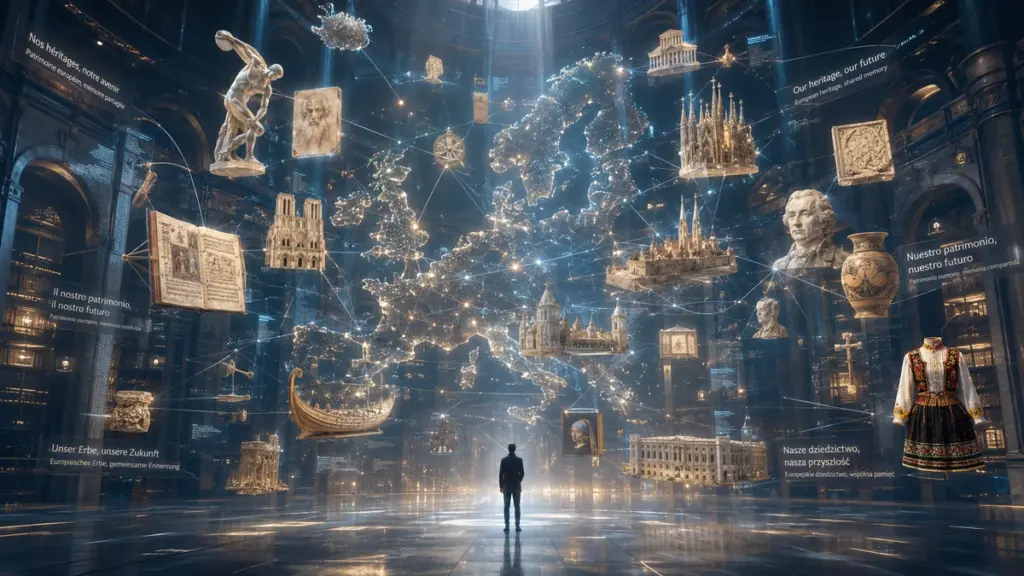
That is precisely the DTH’s reading, too. A 3D-scanned mine or museum object reaches its potential only when others can find it, trust it and build on it, which makes getting the heritage of HI-EURECA-PRO’s widening regions well represented in this shared fabric a strategic priority, not an afterthought.